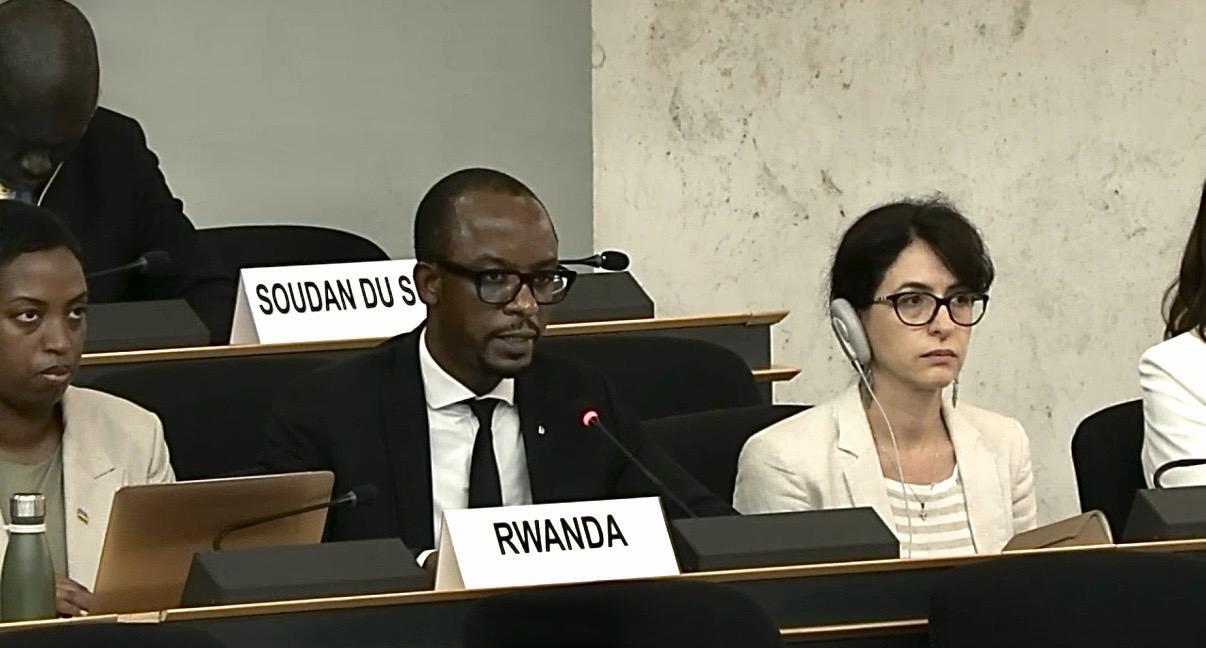
We welcome, first, the recognition of Rwanda’s achievements in poverty reduction in the last three decades since the 1994 Genocide against the Tutsi.
As the report notes, monetary poverty has fallen from 39.8 per cent in 2017 to 27.4 per cent in 2024, and extreme poverty has more than halved to 5.4 per cent. Around 1.5 million Rwandans have been lifted out of poverty over seven years.
From a difficult low income, post genocide context, these results show that deliberate governance, public accountability and long-term investment in citizens can change lives.
They have also been achieved in a period marked by shocks that are making poverty harder to defeat everywhere: the after-effects of COVID-19, rising food and energy prices, climate-related disasters, debt pressures and a tightening global financing environment. These shocks fall hardest on poor households, especially in rural areas, and they must be part of any fair assessment of progress, fiscal space and policy choices.
Multidimensional poverty has also declined, with fewer deprivations in housing, electricity, education and nutrition. These gains reflect deliberate choices anchored in Vision 2050 and the National Strategy for Transformation, which place human development, social protection and inclusive growth at the centre of our policy agenda.
We also appreciate the acknowledgment of progress in social protection. The Vision Umurenge Programme now reaches about 500,000 households – 1.7 million people – and combines public works, direct income support, nutrition‑sensitive transfers and early childhood development.
Rwanda is committed to further improving adequacy and coverage in line with our fiscal space and with a strong focus on the poorest and most vulnerable, including persons with disabilities, older persons and female‑headed households.
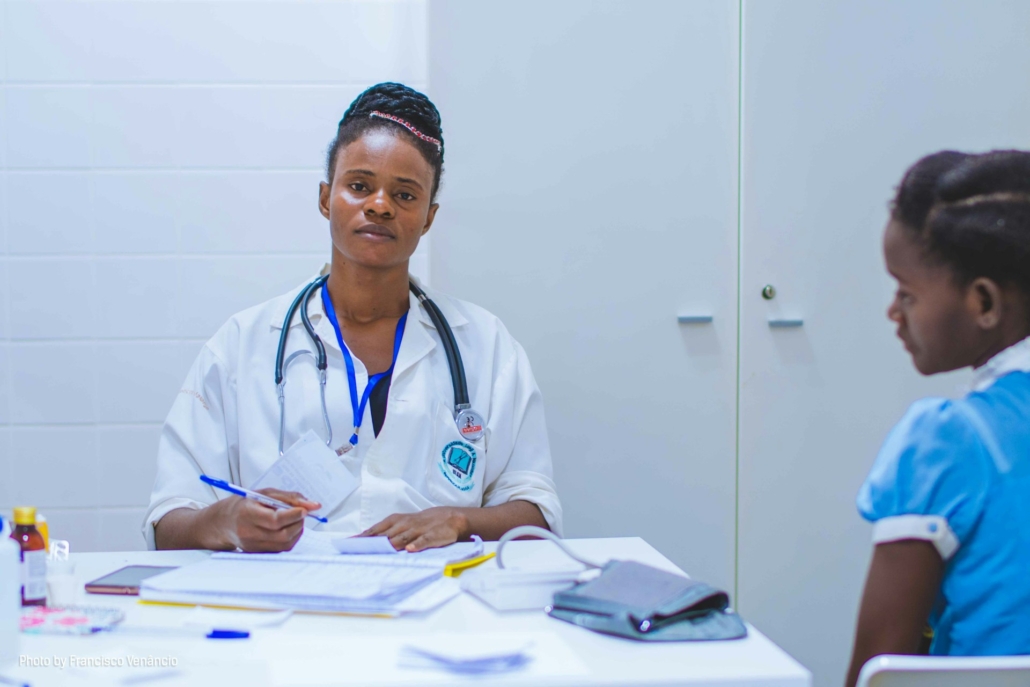
On health, we welcome the report’s recognition of our achievements: life expectancy rising to nearly 70 years; high coverage of skilled birth attendance and immunization; and the extensive reach of community‑based health insurance (mutuelles de santé), which now covers almost 90 per cent of the population. The poorest households are subsidized so that no one is denied basic health care because of inability to pay.
We will continue to strengthen primary health care, human resources and sustainable financing, including through domestic resource mobilization.
On education and human capital, we note that the report highlights the scale of the challenge given our young and rapidly growing population. At the same time, Rwanda recalls the breadth of its ongoing reforms: the universal school feeding programme, extensive school infrastructure expansion, teacher‑training reforms, inclusive education policies, and ICT investments.
The recognition of both French and English as official languages in Rwanda along with other two language namely Kinyarwanda and Swahili is a strategic decision to better integrate Rwanda into regional and global knowledge economies, supported by large‑scale capacity‑building. We will continue to address dropout, repetition and quality gaps, especially for children from low‑income and rural households.
In April this year, Rwanda was recognized as a strong performer on the expanded Human Capital Index Plus, HCI+, with a score of 157, above both the Sub-Saharan Africa average of 126 and the low-income country average of 116. We present this as evidence that Rwanda’s investments in health, education and employment outcomes are producing measurable results. The World Bank describes HCI+ as measuring human capital across health, education and employment over the working life.
We also welcome the recognition of Rwanda’s rights‑based refugee policy. Rwanda has moved from a purely humanitarian model to a development and self‑reliance approach. Refugees enjoy the right to work, freedom of movement, access to identification, financial services and entrepreneurship opportunities. They are progressively integrated into national health, education and social protection systems, in line with NST2’s inclusive growth agenda. Initiatives such as the World Bank‑supported Jya Mbere project support livelihoods and graduation from aid. We will continue working with partners to expand opportunities, including for urban refugees. Needless to say, responsibility-sharing must remain real and predictable if host countries are to sustain inclusive refugee policies.
Rwanda has submitted detailed comments on the report before this Council. Allow me to highlight briefly some key points that are important for us to enrich this dialogue.
First, we encourage the use of balanced language that fully reflects both progress and remaining gaps, and which situates Rwanda’s trajectory in its post‑genocide context and low‑income starting point. A fair assessment of Rwanda recognizes that progress is taking place, and the ongoing work is more challenging because poverty is now concentrated in rural areas, more exposed to shocks, including climate induced required adaptation, and therefore will cost more to address.
Second, a cross‑cutting concern for Rwanda relates to the continued use of ethnic or group‑based classifications, notably references to “Batwa” or “historically marginalized groups”. Rwanda’s Constitution and post‑genocide national unity policy deliberately reject ethnic categorization as a root cause of division and violence.
Rwanda addresses disadvantage through equal citizenship, unity, dignity, needs-based targeting and equal treatment before the law. This principled governance approach allows public policy to respond to real vulnerabilities while preserving the constitutional principles that have guided Rwanda’s post-genocide reconstruction.
Our policy frameworks, including the National Social Protection Policy (2023), and NST2 define vulnerability in dynamic, needs‑based, lifecycle and shock‑responsive terms, not on the basis of identity labels. While we recognize that some communities face specific disadvantages that must be addressed, Rwanda respectfully urges that vulnerability analysis be framed in a way consistent with our constitutional principles of unity, equality and non‑discrimination.
Third, on labour and employment, our Labour Law covers both formal and informal sectors and protects workers’ rights, including in subcontracting. Labour inspection is being reinforced, including through digital tools, and freedom of association and collective bargaining are constitutionally guaranteed, with anti‑union discrimination criminalized. We will continue working with stakeholders on wage policy, formalization and labour inspection in a manner that protects workers while also sustaining job creation, especially for young people and small enterprises.
Fourth, we wish to underline the role of environmental and climate‑resilience programmes, such as clean‑cooking initiatives, large‑scale watershed restoration, and early‑warning systems in reducing poverty, food insecurity and disaster risk, particularly in rural areas. These interventions are designed to benefit all citizens without exclusion, through participatory approaches, compensation mechanisms and livelihood‑restoration plans where relocations from high‑risk areas are necessary. We value continued strengthened consultation, follow-up and accountability, while upholding the State’s responsibility to protect lives, livelihoods and communities from foreseeable climate and disaster risks.
Fifth, on gender equality, Rwanda encourages fuller recognition of existing gender‑responsive policies and the very high levels of women’s leadership across branches and levels of government and in the private sector, as reflected in our Beijing+30 report. Reported increases in gender‑based violence cases reflect improved awareness, reporting and accountability mechanisms, not diminished safety. At the same time, we acknowledge that combating GBV and patriarchal norms remains central to our fight against poverty.
Sixth, on participation and accountability, Rwanda would caution against conclusions that minimize the country’s governance architecture. Rwanda’s development model is built around performance contracts, citizen feedback, decentralized delivery, anti-corruption institutions, parliamentary oversight and regular household-level data. These mechanisms are working, they may need to be enhanced, however they are functioning and call for strong accountability. This is one of the reasons Rwanda has been able to translate national commitments into measurable delivery.
Rwanda remains firmly committed to eradicating extreme poverty, strengthening social protection, and ensuring that economic growth translates into real improvements in the daily lives of all our people.
We will implement the recommendations that are consistent with our national context and priorities, and remain engaged constructively with this mandate and with the Council.
In concluding, Mr Vice President, we encourage that, as this dialogue moves forward, future reporting fully reflects Countries’ nationally owned policies, measurable progress and constitutional choices. The mandate’s reporting should be framed in a spirit of partnership rather than prescriptive judgment.



 By MANZI