ON JULY 25, RWANDA COMMEMORATES THE PASSING OF KING MUTARA III RUDAHIGWA
For many Rwandans, the death of King Mutara III Rudahigwa symbolizes the premature loss of a monarch who embodied his people’s aspirations for genuine political emancipation. Many regard his death as a politically motivated assassination that occurred amid the tensions of the colonial era, similar to the tragic fate that befell several prominent African nationalist leaders of his generation who were committed to liberating their countries from colonial rule.
 By MANZI
On Sunday 26 July 2026
This article was viewed 22 times
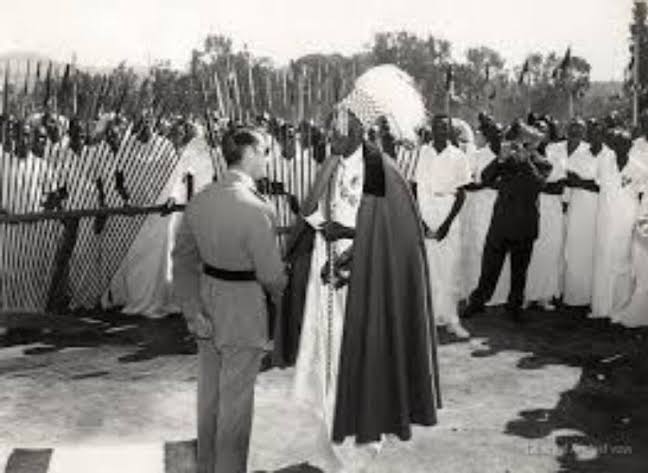
King Mutara III was assassinated on July 25, 1959 while Belgium , Congo, Rwanda and Burundi, were under the reign of King Baudouin I.
In the former Belgian colonies, the death of King Mutara III Rudahigwa was followed by those of two other leading figures of African nationalism: Patrice Lumumba, the first Prime Minister of the Congo, and Prince Louis Rwagasore, the first Prime Minister of Burundi. These tragedies unfolded during a period in which numerous African nationalist leaders across the continent were assassinated while advocating for full independence and genuine national sovereignty. This chapter of African history continues to be the subject of extensive scholarly research and debate regarding the responsibilities of the former colonial powers.
Many observers argue that these losses facilitated the emergence of a neo-colonial order which, despite the formal granting of independence, enabled the former colonial powers to retain significant political, economic and military influence over their former territories. It was within this broader context that mechanisms such as the CFA franc, the system commonly known as Françafrique, and the long-term deployment of French military bases across several African countries took shape.
In the former territories of the Belgian Congo and Ruanda-Urundi, the consequences proved particularly profound. The Democratic Republic of the Congo soon entered a prolonged period of political and institutional instability. In Rwanda and Burundi, colonial policies built upon ethnic divisions left a lasting legacy that contributed to repeated cycles of violence, episodes of ethnic cleansing and, in Rwanda, ultimately culminated in the 1994 Genocide against the Tutsi. In just one hundred days, nearly one-seventh of the country’s population was exterminated. This tragedy was preceded by decades of persecution and massacres that had already begun during the final years of the colonial period, particularly from 1959 onwards.
July 4, 1994 marked a historic turning point. Through the determination and sacrifice of its sons and daughters, Rwanda brought the genocide to an end, restored its millennia-old sovereignty and embarked on a remarkable process of national reconstruction. Since then, the country has pursued its development with determination and resilience. Today, Rwanda is widely recognized as a respected member of the international community, whose contributions—particularly in peacekeeping, development and good governance—are broadly acknowledged and appreciated.
News letter
Subscribe to view notification of our daily news